
What Is Thermal Management? A Clear Overview of Its Mechanisms, Challenges, and the Importance of Thermal Interface Materials (TIMs)
As electrification, autonomous driving, and AI technologies continue to advance, electronic components such as EV batteries, power semiconductors, and automotive ECUs are generating significantly more heat as a result of higher power output and increasing miniaturization. If this heat is not properly controlled, it can lead to performance degradation, malfunctions, reduced service life, and compromised safety.
This is where thermal management becomes essential. As a foundational technology, it enables efficient heat dissipation and maintains optimal temperatures across the entire system, with thermal interface materials (TIMs) playing a central role.
This article provides a clear overview of the mechanisms and objectives of thermal management, outlines industry-specific challenges, and explains the roles and benefits of TIMs.
Contents
- What Is a Thermal Management System? An Overview of Its Mechanisms and Roles
- Thermal Management Challenges and Solutions by Industry
- What Are Thermal Interface Materials (TIMs)? Core Materials at the Heart of Thermal Management
- Types of Thermal Interface Materials (TIMs) and Their Thermal Performance
- Implementing Thermal Interface Materials (TIMs)
- Common Questions in Thermal Management
- Conclusion: Thermal Interface Materials (TIMs) Are the Key to Integrated Thermal Management
What Is a Thermal Management System? An Overview of Its Mechanisms and Roles
In the mobility sector, rapid increases in heat generation from EV batteries, power semiconductors, and in-vehicle ECUs have made precise temperature control more critical than ever, as it directly affects vehicle performance, safety, and service life.
This section systematically explores thermal management systems (TMS), from their fundamental principles to the latest integrated control concepts and the essential material technologies at their core.
The Objectives of Thermal Management
Thermal management encompasses the design and control technologies required to maintain internal heat within optimal operating ranges, ensuring peak performance, reliability, service life, and safety. As EVs and automotive electronics continue to move toward higher power output and greater integration, effective temperature control has become an indispensable factor in determining overall product quality.
Several key mechanisms drive internal heat generation within modern equipment.
For example, Joule heating (I²R losses) occurs as current flows through resistive elements, while switching losses are generated when power semiconductors such as SiC devices and IGBTs turn on and off. Additionally, conversion losses arise from factors such as increased internal battery resistance and magnetic losses in motors.
These mechanisms are major contributors to increasing heat generation in electronic devices, including EVs and automotive ECUs.
Failure to manage these thermal loads poses significant risks to safety and reliability. Potential consequences include thermal throttling in CPUs and ECUs, accelerated deterioration of resin components, electrolytic capacitors, and semiconductor packages, as well as battery thermal runaway.
Accordingly, the objectives of thermal management can be summarized into the following four key areas:
- Optimized efficiency (performance maintenance): Maintaining ideal operating temperatures to maximize output, processing speed, and energy efficiency.
- Enhanced safety: Mitigating the risks of battery thermal runaway and semiconductor overheating.
- Improved reliability: Preventing malfunctions and failures to ensure long-term, stable operation at automotive-grade levels.
- Extended service life and cost reduction: Suppressing material degradation to extend the lifespan of batteries and electronic components.
To achieve these objectives, thermal management is structured as a flow from the heat source, through heat transfer pathways such as TIMs, to heat dissipation components.
Identifying where heat accumulates within this flow and addressing these bottlenecks through optimized heat dissipation structures is essential to effective thermal management.
Why Thermal Management Is Gaining Attention Across EVs, Semiconductors, and Electronic Devices
| Field | Major Heat-Generating Components | Why Heat Is a Critical Challenge |
|---|---|---|
| Electric Vehicles (EVs) |
| Directly impacts core performance and safety metrics, including driving range, fast-charging capability, and the risk of thermal runaway. |
| Automotive Semiconductors |
| Increases heat generation per unit area due to higher integration and power density, making malfunctions and performance degradation more likely when heat dissipation is insufficient. |
| Automotive Electronics |
| Heat tends to accumulate in limited in-vehicle spaces, while rising data traffic and advanced features sharply increase power consumption. |
In recent years, the mobility sector has seen rapid advances in electrification, EV adoption, connectivity, and autonomous driving technologies, driving an unprecedented rise in the heat density of automotive components.
This shift is driven by multiple factors, including higher power output in batteries and power semiconductors, greater integration of ECUs and in-vehicle AI chips, and the always-on operation of 5G communication modules, all of which contribute to increased heat generation.
As a result, thermal management has become increasingly important as a foundational technology that directly influences vehicle performance, safety, service life, and reliability.
The Difference Between Thermal Management Systems and Integrated Thermal Management Systems
As electrification accelerates, conventional component-by-component cooling approaches are increasingly unable to cope with rising heat generation at the individual device level. In many cases, such isolated thermal control strategies fail to optimize overall vehicle performance and reliability.
This has led to growing attention on integrated thermal management systems (integrated TMS), which coordinate cooling circuits across the entire vehicle as a unified system.
| Category | Conventional TMS | Integrated TMS |
|---|---|---|
| Cooling Method | Individual component-level cooling | Integrated cooling loops with centralized control |
| Control | Managed independently by each ECU | Optimized control using AI and multi-point sensors |
| Impact | Cooling designed to meet minimum requirements | Improved energy efficiency, weight reduction, and enhanced performance |
In traditional TMS architectures, components such as batteries, inverters, and ECUs are cooled independently, often resulting in increased piping and heat exchanger count, along with residual challenges related to energy efficiency and vehicle weight.
By contrast, integrated TMS enables system-wide optimization through centralized control of coolant flow rates and temperatures. This approach also allows for shared use of heat exchangers and thermal circuits, contributing to space savings and more efficient thermal architectures.
According to materials published by Sanden Corporation on Integrated Thermal Management System (ITMS), transitioning from conventional electric-heater-based thermal management to an integrated TMS that combines waste heat recovery from motors and inverters with heat pump technology can significantly extend EV driving range. Under winter driving conditions with cabin heating enabled, the reported examples show driving range improvements from a baseline of 100% with conventional systems to approximately 132% with ITMS 2.0 and around 140% with ITMS 3.0.
Source : Integrated Thermal Management System (ITMS) brings a new future for electric vehicles
Section Summary
- In the mobility sector, the dual trends of electrification and dense system integration are causing a surge in heat density, making temperature control a foundational technology that directly affects performance, safety, and reliability.
- As the industry shifts from conventional component-level cooling to integrated thermal management systems (integrated TMS) that optimize thermal performance across the entire vehicle, thermal interface materials (TIMs) play a critical role as key elements in the heat dissipation pathway by reducing interfacial thermal resistance.
- Selecting the appropriate TIMs according to thermal conductivity, gap thickness, and installation conditions enables the formation of efficient thermal pathways and ensures stable operation of the overall vehicle system.
Thermal Management Challenges and Solutions by Industry
Heat generation mechanisms and required cooling levels vary significantly across industries, including EV batteries, power semiconductors, and data centers.
In this section, we outline the key thermal challenges and the direction of thermal management systems across major fields such as EVs, semiconductor packages, and storage devices.
Battery Thermal Management for EVs and BEVs and Integrated Cooling Systems
As global EV adoption accelerates, temperature variation within battery packs has become a critical factor affecting performance and service life. Even slight temperature imbalances have been reported to accelerate degradation, making uniform temperature control essential.
As a result, system architectures are shifting from standalone battery cooling to integrated cooling systems. In these systems, batteries share cooling loops with motors and inverters. By optimizing multiple units as a unified system, these integrated solutions are better able to respond to rapid increases in thermal load.
In these systems, placing high-thermal-conductivity materials between cells or modules and cooling components effectively minimizes interfacial thermal resistance. This helps ensure a more uniform temperature distribution, which is vital for enhancing safety, sustaining performance, and extending battery service life.
TIMs are therefore a critical design element for establishing efficient thermal pathways in integrated systems.
Heat Dissipation Structures and Material Selection for Semiconductor Packages
Advancements in AI chips and automotive power semiconductors have led to a rapid increase in heat density. In recent years, it has been noted that heat flux levels on the order of 100 W/cm² have emerged as a critical challenge. At this level, conventional heat sinks and heat pipes alone are no longer sufficient to dissipate heat effectively, making it necessary to reconsider the semiconductor package structure itself.
As a solution, the integration of vapor chambers is becoming increasingly common. Vapor chambers can spread heat efficiently over a wide surface area while maintaining a thin profile, and they offer high heat dissipation performance while being lighter and thinner than conventional metal heat sinks.
In addition, to address interfacial regions that are prone to becoming bottlenecks in the thermal pathway, the adoption of TIMs and high-thermal-conductivity sheets is gaining importance. By appropriately combining these materials, heat transfer from the chip to external heat dissipation components can be improved, making it easier to suppress temperature rise across the entire package.
The Evolution of Thermal Management in Data Centers and Storage Systems
According to a 2024 report by the International Energy Agency (IEA), total electricity consumption across IT infrastructure, including data centers, cryptocurrencies, and AI, reached approximately 460 TWh in 2022, accounting for about 2% of global electricity demand. As this demand continues to grow, requirements for thermal management have become more stringent than ever.
Source : Electricity 2024 Analysis and forecast to 2026
As autonomous driving and connected mobility continue to expand, a surge in data center loads driven by in-vehicle data processing and communications infrastructure is unavoidable. Even within the mobility sector, the growing volume of data will necessitate more sophisticated thermal designs, making the thermal management of servers and storage devices a critical challenge that can no longer be overlooked.
Against this backdrop, a shift is underway from conventional air-cooling approaches to more efficient cooling technologies, such as liquid cooling, cold plate cooling, and immersion cooling. Particularly in high-density rack environments, efforts to shorten heat dissipation paths and reduce thermal resistance are essential, making the adoption of high-thermal-conductivity materials at interfaces between server modules and cooling panels indispensable.
Section Summary
- Across key sectors such as EVs, semiconductors, and data centers, rapid increases in power output and system density are driving a sharp rise in heat generation, making it increasingly difficult for conventional cooling architectures to meet thermal demands.
- In response, next-generation heat dissipation solutions, including integrated cooling systems and vapor chambers, are being adopted, while the importance of thermal interface materials (TIMs) for reducing interfacial thermal resistance continues to grow.
- We have entered an era in which optimizing thermal pathways is a decisive factor in ensuring performance, safety, and reliability across modern technologies.
What Are Thermal Interface Materials (TIMs)? Core Materials at the Heart of Thermal Management
Thermal interface materials (TIMs) are materials designed to fill the microscopic gaps that inevitably form between heat-generating components and cooling elements, thereby significantly reducing thermal resistance. Even when metal surfaces are brought into direct contact, air layers on the order of several to several tens of micrometers remain. Because air has an extremely low thermal conductivity of approximately 0.026 W/m·K, it becomes a major bottleneck that fundamentally restricts heat dissipation performance.
By filling these voids with high conformability, TIMs reduce interfacial thermal resistance and optimize the thermal pathway from the heat source to the heat dissipation component. In application areas where heat density is rapidly increasing—such as EV batteries, power semiconductors, ECUs, and high-performance chips for servers—reducing interfacial thermal losses directly affects system performance, reliability, and service life. As a result, TIMs are no longer auxiliary materials but have become core components essential to effective thermal management.
There are multiple types of TIMs, each selected based on specific application requirements such as gap-filling capability, conformability, ease of processing, and thermal stability.

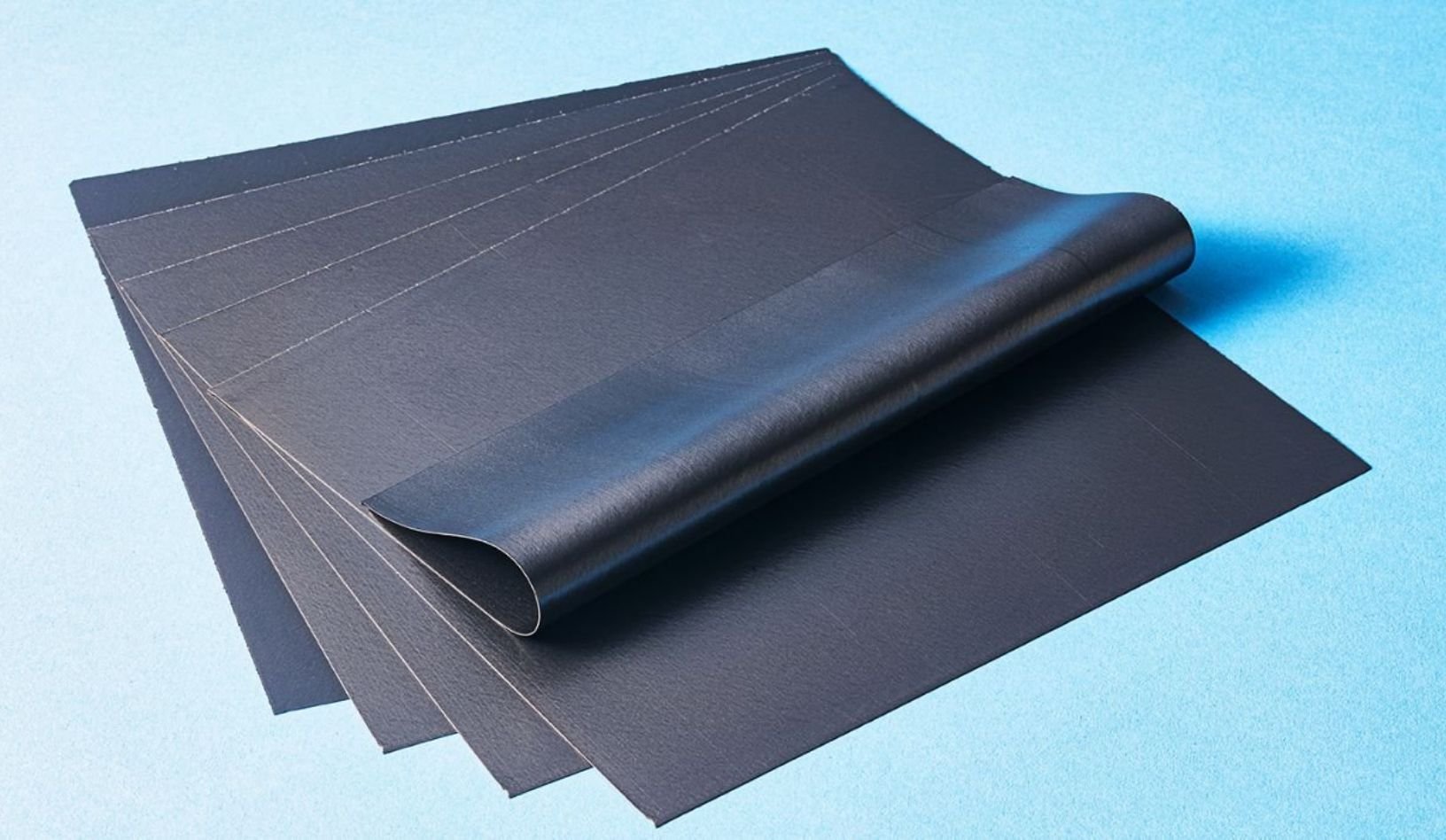
- Sheet/Film Type: Provides consistent thickness and excellent processability; suited for automotive LEDs and control boards.
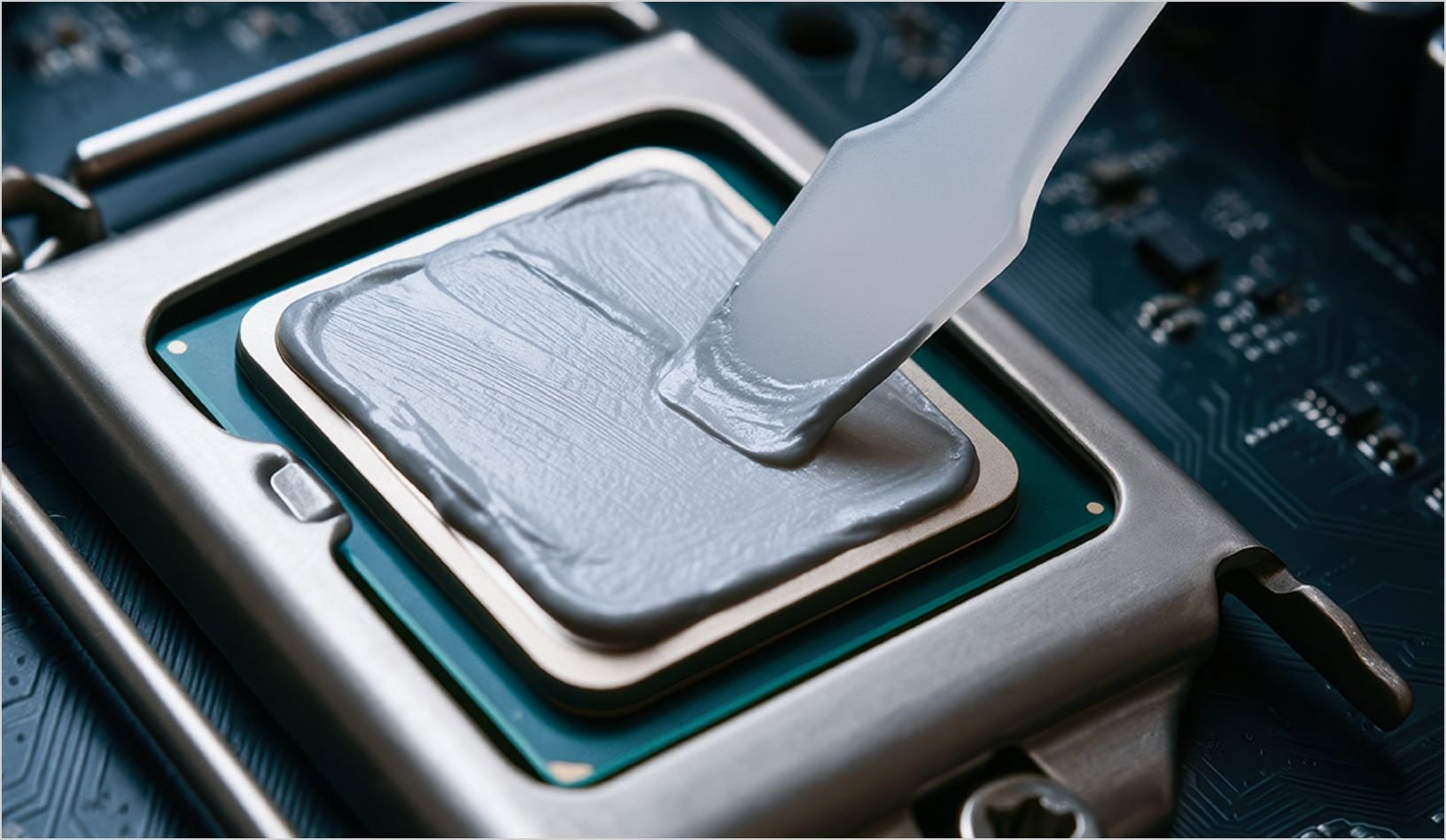
- Grease type: Offers high conformability and high thermal conductivity; ideal for CPUs and power modules.
- Phase-change type: Softens at operating temperatures to fill interfacial voids; used in servers and semiconductor package applications.
- Gap Filler/Pad Type: Provides thickness compensation and vibration absorption; ideal for EV batteries and ECUs.
This section outlines the roles, benefits, and practical applications of TIMs.
Core Functions and Key Benefits of Thermal Interface Materials (TIMs)
TIMs are materials designed to reduce interfacial thermal resistance between heat-generating components and cooling elements, thereby optimizing heat transfer. With the sharp rise in heat generation from EV batteries, power semiconductors, and high-performance server chips, even minor interfacial losses can lead to performance degradation and temperature non-uniformity. As a result, the strategic implementation of TIMs is more critical than ever.
When TIMs are properly applied, interfacial thermal resistance is reduced, directly contributing to lower peak temperatures and more uniform temperature distribution. This, in turn, leads to enhanced performance and reliability across a wide range of applications, including stabilized fast-charging performance for EVs, prevention of thermal throttling in AI processors, and extended service life of automotive electronics.
Furthermore, optimized thermal pathways facilitate effective heat dissipation using smaller and lighter heat sinks than previously required. The ability to maintain performance without relying on oversized cooling components is particularly valuable in space-constrained applications such as EVs and data center equipment. Consequently, TIMs represent an indispensable optimization lever for enhancing overall system performance.
Roles and Performance of Thermal Interface Materials (TIMs)
| Parameter | Standard TIMs | High Thermal Conductivity TIMs |
|---|---|---|
| Thermal Conductivity (W/m·K) | Approximately 1–5 | Capable of reaching 10–20 or higher |
| Dielectric Strength | Standard level | Available in automotive-grade and high-dielectric-strength variants |
| Compression Modulus | Medium | Combines high flexibility with excellent conformability |
| Heat Resistance | 100–120°C range | Supports continuous operation above 150°C |
| Handling Characteristics | Standard handling difficulty | Available in a wide range of options, including high-viscosity and enhanced-processability types |
As shown in the table, high thermal conductivity TIMs deliver superior performance across thermal conductivity, dielectric strength, and compression modulus. This balanced profile enables stable heat dissipation pathways even under high-load operating conditions typical of automotive power devices and EV battery systems.
TIMs are more than materials for reducing thermal resistance; their true value lies in the multiple performance attributes they offer to meet specific application requirements. The most critical aspect is heat dissipation performance: higher thermal conductivity enables smoother heat transfer from the heat source to cooling components, helping to suppress peak temperatures and reduce temperature non-uniformity. At the same time, conformability to interfacial geometries is indispensable. The better a TIM can conform to microscopic surface irregularities between the heat source and the heat sink, the lower the contact thermal resistance becomes, resulting in improved effective heat dissipation performance.
Moreover, in automotive and data center environments where continuous operation at elevated temperatures is the baseline, thermal stability and long-term durability are indispensable. Materials must maintain stable properties even under prolonged thermal cycling and mechanical vibrations. In addition, thermally conductive yet electrically insulating TIMs help ensure safety around power devices and control boards. Finally, ease of handling during processing and installation is a critical evaluation criterion in mass-production environments.
From these perspectives, a comparison between standard and high-thermal-conductivity TIMs reveals clear differences in key parameters such as thermal conductivity, dielectric strength, and compression modulus. By presenting a performance comparison table that organizes these evaluation criteria, the article makes it easier for readers to visually understand the key points for selecting the most appropriate material for each application.
Applications of Thermal Interface Materials (TIMs)
In the following section, we introduce how TIMs are actually used in the mobility sector and the effects they deliver, organized by application.
EV Battery Applications
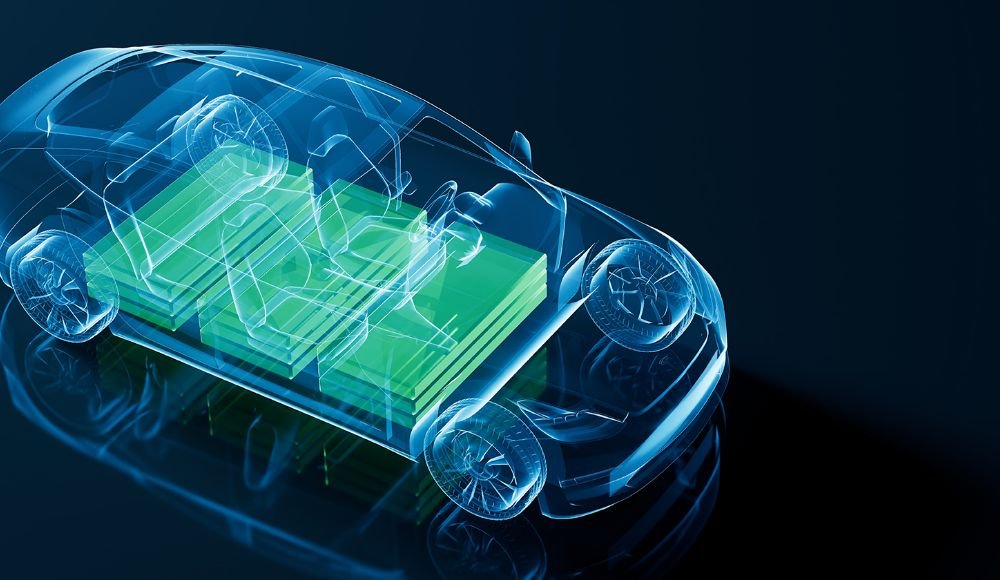
Within battery packs, heat transfer commonly occurs from cells to cooling plates and from modules to cooling circuits.
TIMs fill the gaps between cell cases and cooling plates to improve thermal pathways, helping to suppress temperature variations among individual cells.
Power Modules (Inverters/DC-DC Converters/OBCs)
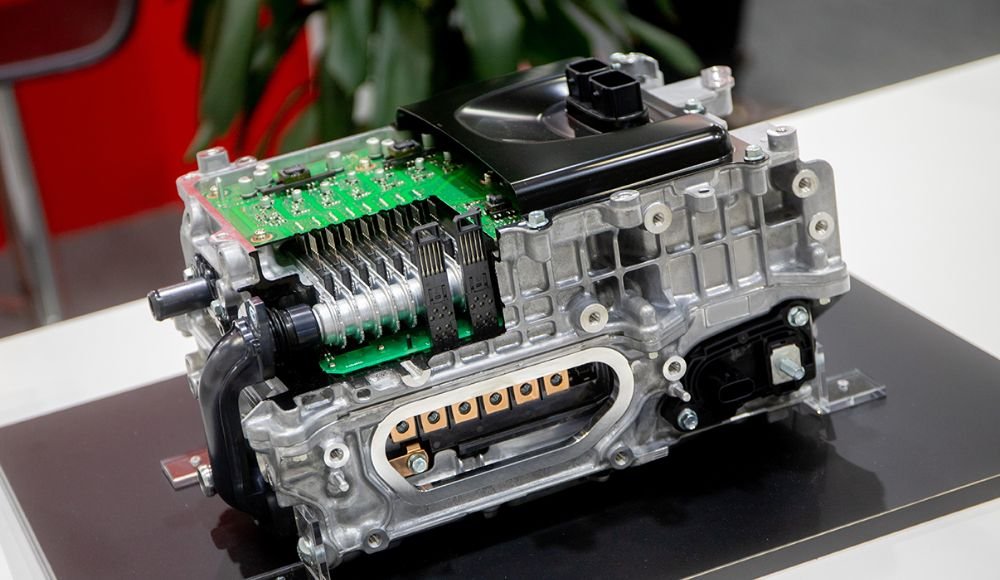
In automotive power devices, the application of TIMs at contact interfaces with heat spreaders or baseplates reduces contact thermal resistance, thereby suppressing temperature peaks and improving reliability.
For example, some widely adopted IGBT modules on the market are supplied with pre-applied TIMs, achieving both high thermal performance and improved ease of installation.
ECUs/Autonomous Driving Compute Modules
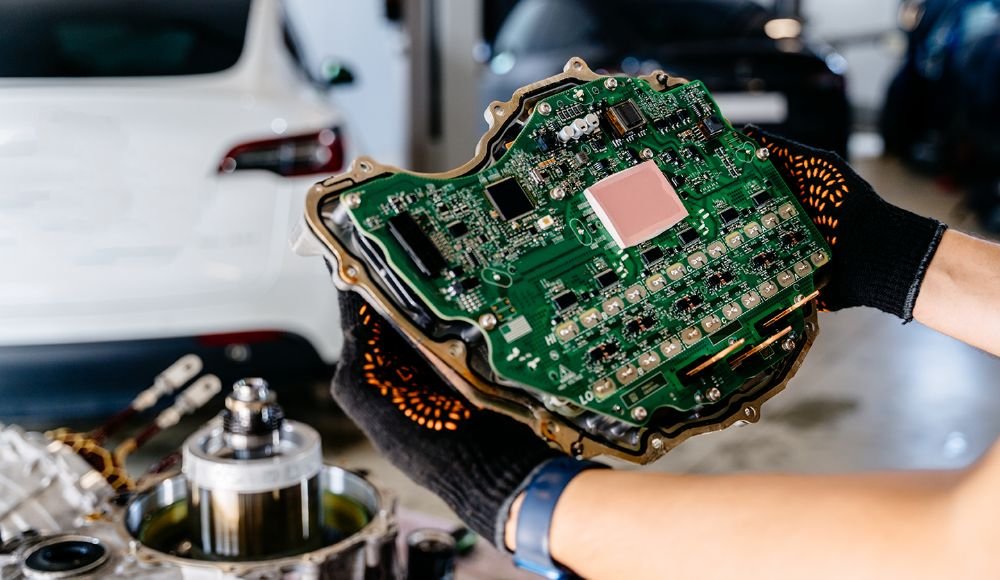
In highly integrated, high-performance ECUs, optimizing the interfaces from heat spreaders to enclosures or heat dissipation plates with TIMs enables the suppression of thermal throttling and the extension of service life.
Automotive LED Lighting/High-Power Illumination

In large automotive LEDs and high-power lighting systems, applying TIMs at the contact interfaces with heat sinks maintains low thermal resistance, enabling sustained light output and extended service life.
A common point across these applications is that TIMs are placed at the contact interfaces most prone to becoming bottlenecks along the thermal pathway from the heat source to the heat dissipation component, where they deliver a significant improvement in thermal performance.
Designing and selecting TIMs with careful consideration of application-specific thermal loads, assembly gaps, and reliability requirements is key to achieving effective thermal management across the entire system.
What Is High Thermal Conductivity? Its Significance and Evaluation Criteria in Thermal Management
Thermal conductivity (W/m·K) is a metric that indicates how efficiently a material can transfer heat; the higher the value, the more rapidly heat spreads through the material. In thermal management, ensuring reliable heat transfer from the heat source to heat sinks or cooling plates is essential, making thermal conductivity a critical evaluation criterion for assessing how little a material impedes the heat flow along the thermal pathway.
TIMs play a crucial role in filling the microscopic irregularities and air gaps between the heat source and the heat dissipation components, thereby reducing interfacial thermal resistance. Since air is a poor conductor of heat, using TIMs with high thermal conductivity significantly reduces the overall resistance along the thermal pathway. Furthermore, it is important to evaluate thermal conductivity not only as a standalone value but also in combination with factors such as interface pressure, thickness, and conformability, to assess its effective thermal performance.
When selecting materials, it is important not to rely solely on catalog values but to comprehensively evaluate the thermal resistance (Rᵗʰ) achieved in the actual implementation. Since thermal conductivity grades vary depending on the application, it is crucial to clearly identify which thermal pathway, such as those in batteries, power modules, or ECUs, requires the most improvement and to select the appropriate thermal interface material accordingly.
Section Summary
- Thermal interface materials (TIMs) are core components that fill the gaps between heat-generating components and cooling elements, reducing thermal resistance, and enhancing heat dissipation performance.
- As advancements in thermal conductivity and reliability continue to accelerate, the performance differences among TIMs directly impact the overall thermal management of the system.
- TIMs are essential across a wide range of applications, including EVs, power modules, and ECUs.
Types of Thermal Interface Materials (TIMs) and Their Thermal Performance
TIMs can be broadly classified into four types: grease, sheet, phase-change, and gap filler. Each type has distinct characteristics and is suited for different applications.
In areas with high heat density, it is important to evaluate not only the thermal conductivity of the material but also its thickness, flexibility, electrical insulation properties, and ease of implementation.
The following outlines the characteristics of the four main types of TIMs and the selection criteria based on specific application requirements.
Sheet/Film Type
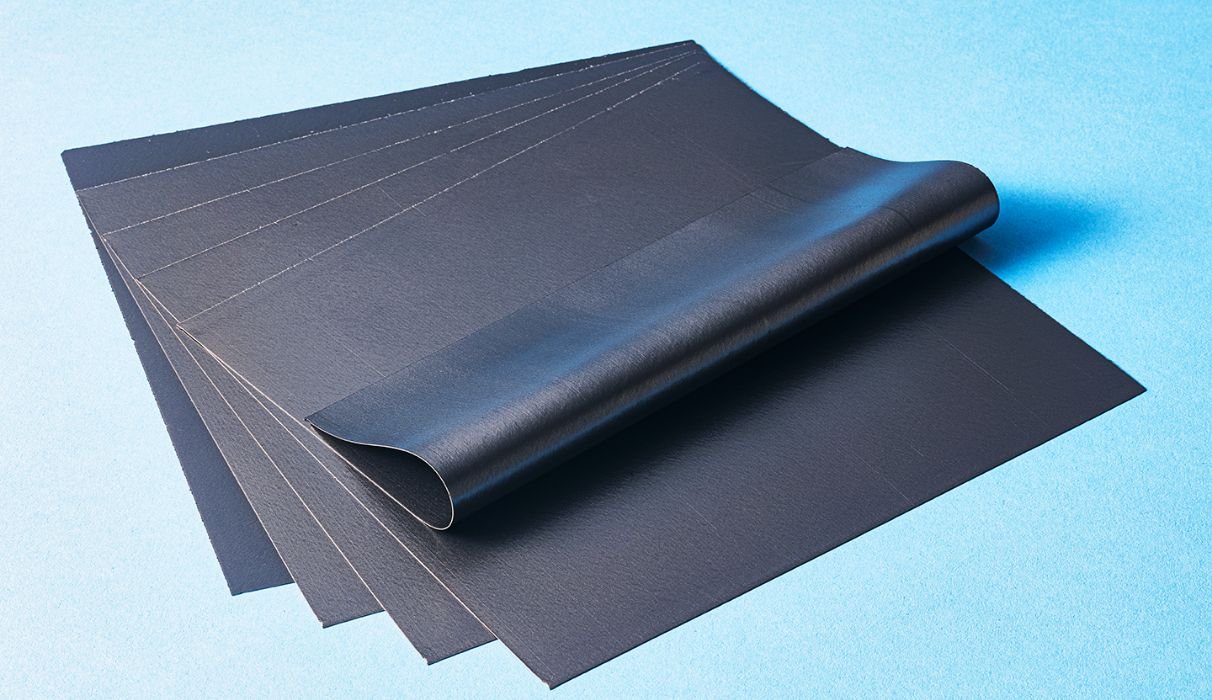
Sheet/film-type TIMs are characterized by their stable thickness due to their solid form, offering excellent processability and handling characteristics.
Thermal conductivity typically ranges from 5 to 20 W/m·K, making them widely used in heat dissipation designs for thin devices such as LED lighting, control boards, and communication modules. This type is also gaining popularity in automotive and industrial applications, where long-term reliability is crucial, as it is less prone to pump-out effects commonly seen with greases.
Additionally, the sheet type can be easily processed into die-cut or custom shapes, making it ideal for creating optimal heat dissipation pathways tailored to the device shape. While its gap-conformability is more limited compared to gap fillers, it delivers highly effective improvements in interface performance for precisely controlled contact surfaces.
Notably, TIMs developed by Zeon Corporation combine high thermal conductivity with exceptional processability. These materials are poised to address high-heat challenges in critical areas, including EV peripheral components, power modules, and PCB-mounted devices.
Zeon Corporation's thermal interface materials (TIM) products
Grease Type
The grease type, being in a paste form, conforms well to fine surface irregularities, enhancing the contact between the heat source and the heat sink. Its thermal conductivity generally ranges from 3 to 12 W/m·K, making it widely used in applications where reducing interfacial resistance is crucial, such as in CPUs, power modules, and automotive control units.
However, grease-type TIMs are susceptible to challenges such as "pump-out" caused by long-term thermal cycling and vibration, as well as performance degradation due to drying.
Consequently, regular reapplication and careful material selection based on operating conditions are essential.
Phase Change Type
The phase change type is characterized by its ability to soften when heated, effectively filling the microscopic gaps between the heat source and the heat dissipation component.
It is easy to handle in its solid form at room temperature, and after heating, it conforms firmly to the interface, similar to grease, providing stable heat dissipation performance even within the thermal conductivity range of 2 to 8 W/m·K. It is widely used in applications with stringent thermal requirements, such as CPUs and server processors.
While it offers the advantage of long-term stability in material properties, it is important to note that some applications may require a specific temperature threshold to activate their phase-change properties during initial use. Therefore, careful consideration of the compatibility with the assembly process and mass production lines is essential for successful implementation.
Gap Filler/Pad Type
The gap filler/pad type is a highly flexible gel or pad-like thermal interface material, known for its ability to accommodate large surface irregularities and thickness variations. With a thermal conductivity ranging from 1 to 6 W/m·K, it can effectively fill wider gaps while maintaining consistent heat dissipation performance.
These materials are highly valued in environments subject to harsh vibrations, such as EV battery packs, where height differences between cells often occur, and telecommunications or base station equipment fixed at multiple points within an enclosure. Their inherent flexibility absorbs micro-movements, ensuring stable contact over time.
However, some types may be prone to compression set or deformation under prolonged high-temperature exposure, so careful material selection is essential to ensure long-term reliability. By selecting the optimal grade based on the operating temperature range, compression ratio, and vibration conditions, overall system thermal performance and durability can be enhanced.
Section Summary
- Thermal interface materials (TIMs) can be broadly categorized into four types: sheets with excellent processability, greases with high conformability, phase-change materials, and gap fillers with superior gap absorption properties.
- In heat dissipation design for high heat density areas, it is essential not only to compare thermal conductivity but also to assess properties such as insulation, flexibility, and long-term reliability based on specific application requirements.
- Success depends on a correct understanding of each material's strengths to construct the most effective heat dissipation pathways for the target environment.
Implementing Thermal Interface Materials (TIMs)
When implementing TIMs, it is essential to optimize the entire process, not only the material selection but also the application and attachment methods, compression load, and management of gap tolerances.
In this section, we outline the key points to consider at each stage, from design to mass production, and explain how to avoid common pitfalls during implementation.
Checklist for Implementing Thermal Interface Materials (TIMs)
When implementing TIMs, products should not be evaluated solely based on thermal conductivity; a comprehensive assessment is essential, considering factors such as the operating environment, gap thickness, compression conditions, and heat dissipation pathways.
Especially in environments with high temperatures and vibrations, such as in EVs and power modules, catalog values often do not directly correlate with performance, making pre-implementation testing crucial.
When implementing, we recommend conducting a comprehensive review based on the following criteria:
- Thermal Conductivity (W/m·K): Higher values facilitate heat transfer, but effective performance depends heavily on actual contact conditions.
- Thermal Resistance (Rθ): Essential for evaluating interfacial bottlenecks; post-assembly thermal resistance is more important than the intrinsic properties of the material itself.
- Heat Resistance and Electrical Insulation: Automotive and server applications often require continuous operation at high temperatures and, in some cases, high-dielectric-strength grades.
- Conformability (reducing contact thermal resistance): If conformity to surface irregularities is insufficient, effective performance can drop significantly.
- Formability and Processability: Confirm whether the material is easy to handle on mass-production lines and whether it can be applied or attached consistently without excessive variation.
TIMs often exhibit lower performance in actual implementation than indicated by catalog specifications. Even with high thermal conductivity ratings, performance can vary significantly depending on factors such as contact surface roughness, fastening force, and thickness variation.
For this reason, it is essential to verify post-assembly thermal resistance, temperature rise tests, and thermal cycling durability in advance, and to select the thermal interface material best suited to the company’s specific thermal loads and operating environment.
Consult Zeon Corporation for Your TIM Solutions
TIMs cannot be optimized through a simple comparison based solely on thermal conductivity. Implementation factors such as surface roughness, compression ratio, gap thickness, and thermal cycling conditions have a significant impact on actual performance.
Common implementation pitfalls:
- Selecting materials based solely on thermal conductivity values, resulting in compatibility issues after implementation.
- Insufficient consideration of component surface conditions and compression parameters, resulting in inadequate interfacial contact.
- Failure to conduct thermal cycling tests during initial sample evaluations, leading to reliability issues during mass production.
To avoid these issues, it is important to share test conditions and structural specifications at an early stage and to work collaboratively with the manufacturer to develop an optimized design.
Zeon Corporation provides technical guidance on material selection for high-thermal-conductivity TIMs, with a particular focus on sheet/film types, as well as on the evaluation of thermal resistance.
By engaging with us during the initial design phase, you can ensure optimal material selection and interface design while securing long-term reliability. This proactive approach not only streamlines development but also significantly reduces the risk of costly redesigns in later stages.
If you have any questions or uncertainties regarding the implementation of TIMs, please contact Zeon Corporation for expert guidance.
Section Summary
- When introducing thermal interface materials (TIMs), performance is primarily determined by how much thermal resistance can be reduced after implementation, rather than just material specifications.
- The application method, compression conditions, and gap control directly impact the final heat dissipation effect, making evaluation under mass production conditions essential.
- Furthermore, performance can vary significantly depending on implementation factors such as surface roughness and clamping force. Therefore, when introducing TIMs, it is crucial to share specifications with the manufacturer early in the process and work toward optimal material selection and interface design to prevent failures.
Common Questions in Thermal Management
In practical thermal management applications, engineers frequently face uncertainties regarding material lifespan, appropriate selection criteria, and the definitions of technical terms. This section addresses common questions encountered by design and development teams, including the long-term aging of TIMs and the differences between thermal conductivity and thermal resistance.
Do TIMs have a lifespan, or do they degrade over time?
Yes. TIMs are not semi-permanent; their performance can degrade depending on the operating environment.
The main factors contributing to degradation include repeated thermal cycles from heating and cooling, fluctuations in compression load, and exposure to environmental stressors such as humidity and chemicals.
Over time, these factors can lead to hardening, pump-out, or loss of conformability. These physical changes increase interfacial thermal resistance, reducing the overall cooling efficiency.
Generally, in environments with high loads such as elevated temperatures and vibrations, TIM performance is more likely to change. Therefore, when harsh conditions are expected, as in automotive or power module applications, it is essential to conduct durability testing and thermal cycle evaluations to verify long-term reliability.
How Should Thermal Interface Materials (TIMs) Be Selected?
When selecting TIMs, it is important not to focus solely on comparing thermal conductivity. A comprehensive assessment should be made, considering the actual operating environment and implementation conditions.
What determines heat dissipation performance is not just the material's inherent properties, but also its interfacial conformability and post-installation thermal resistance. Surface roughness and compression conditions cannot be overlooked either.
For applications requiring specific performance characteristics, such as EV batteries that demand excellent insulation and vibration resistance, semiconductor packages that require thin films with high adhesion, and storage devices where low outgassing and long-term stability are crucial, the performance requirements vary significantly.
Consequently, the most reliable approach is to define your specific thermal loads, environmental conditions, and gap tolerances first. Following this, conduct temperature-rise testing and thermal cycling evaluations on your actual device to verify performance in its final, installed state.
What Is the Difference Between Thermal Resistance and Thermal Conductivity?
Thermal conductivity is an intrinsic material property that measures a substance's ability to conduct heat. Higher values indicate more efficient heat transfer through the material itself.
Thermal resistance, by contrast, represents how difficult it is for heat to flow within an actual structure. It depends not only on the material itself but also on implementation factors such as thickness, contact condition, and surface roughness, and therefore can vary significantly.
When designing systems, simply considering thermal conductivity alone cannot accurately evaluate a component's actual heat dissipation performance. Therefore, ultimately what matters most is how successfully you can reduce thermal resistance after implementation.
In the selection of TIMs, whether the thermal resistance achieved in real-world implementations is lower than catalog values is the key point that directly affects temperature rise suppression and long-term reliability.
Conclusion: Thermal Interface Materials (TIMs) Are the Key to Integrated Thermal Management
In high-heat applications such as EV batteries, automotive power semiconductors, and data centers, interfacial thermal resistance has become a critical factor that directly determines system performance.
As integrated TMS architectures continue to evolve, ensuring the precision of TIMs, which effectively bridge heat sources and heat dissipation components, becomes essential for optimizing the entire thermal pathway.
Selecting the appropriate material requires a careful balance of thermal conductivity, conformability, and heat resistance tailored to each application, which is key to maintaining performance and improving reliability.
Zeon Corporation offers a comprehensive lineup of TIMs, with a particular focus on high-thermal-conductivity sheets, along with technical consultation and evaluation support. We welcome your inquiries as you consider the implementation of TIMs in your next project.
Related Products
Pickup